Eco-Friendly Approaches: How E-Waste Recycling Services Are Preserving Our Planet
Electronic waste presents serious dangers to the environment, as abandoned electronic devices commonly carry harmful materials. These toxic materials have the potential to taint soil and water sources, resulting in widespread environmental harm. E-waste recycling services present a viable solution. They serve the dual purpose of reclaiming precious materials and reducing contamination. Gaining insight into how these programs function and affect local communities is critical. The journey towards effective e-waste management raises critical questions about individual responsibility and collective action. What measures can be pursued from this point onward?
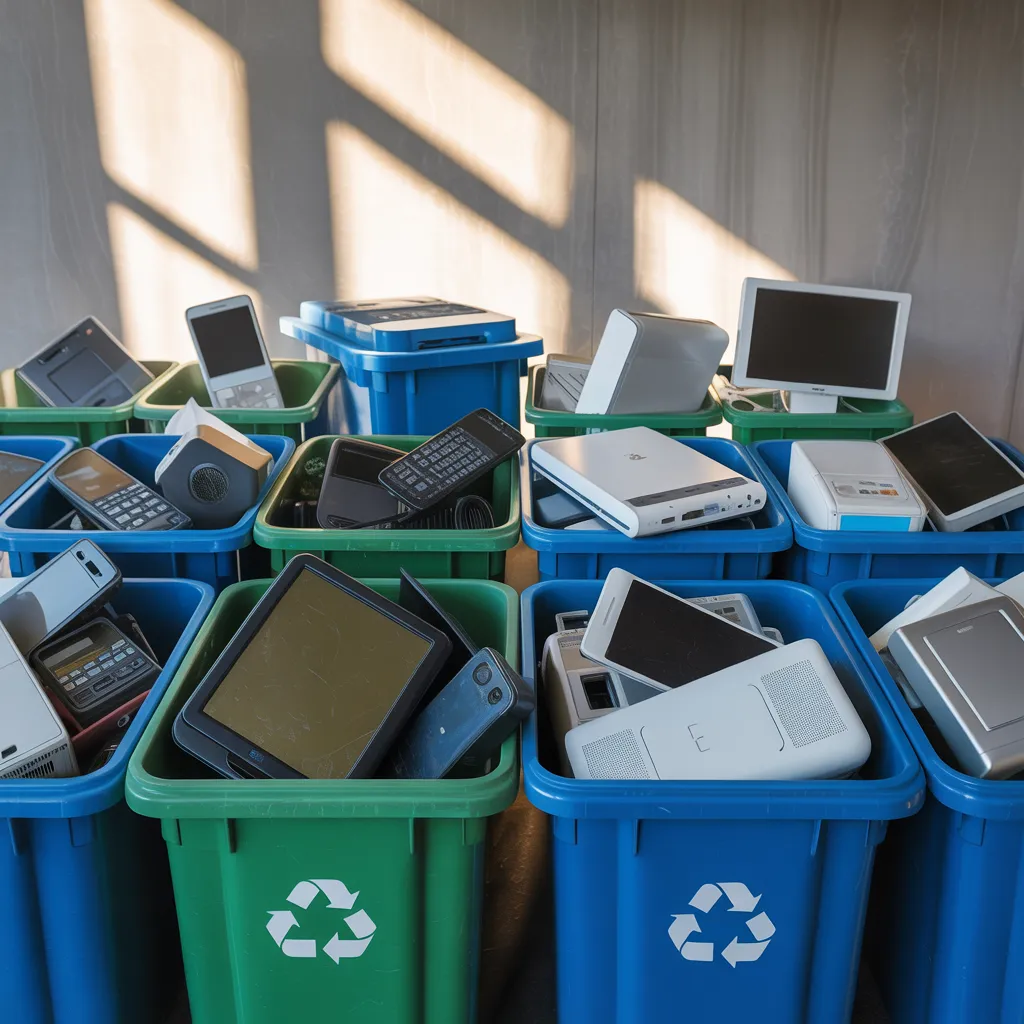
Why E-Waste Poses a Threat to the Planet
While technology enhances our daily lives, e-waste creates significant environmental threats. Discarded electronic devices, often containing hazardous materials such as mercury, lead, and cadmium, may release harmful substances into soil and groundwater, presenting dangers to human health and ecosystems. The rapid pace of technological advancement results in greater consumer replacement of electronic devices, exacerbating the accumulation of e-waste.
Landfills, already overwhelmed with refuse, find it difficult to handle the increasing amounts of discarded devices. Burning, an alternative disposal approach, discharges toxic contaminants into the air, worsening overall air quality. In addition, improper recycling practices can lead to the exportation of e-waste to developing countries, where laborers may dismantle devices without adequate safety measures, exposing themselves to dangerous substances. This ongoing cycle of carelessness and inadequate management emphasizes the pressing necessity for responsible recycling initiatives that can lessen the harmful consequences of e-waste on our world.
Understanding E-Waste and Its Significance
E-waste, also referred to as electronic waste, encompasses unwanted electronic equipment including computers, smartphones, and televisions that are no longer functional or needed. This rapidly expanding waste category is noteworthy due to its rapid accumulation, propelled by advances in technology and evolving consumer behaviors. With an increasing number of devices reaching obsolescence, the environmental impact intensifies, with toxic materials such as lead, mercury, and cadmium posing risks to ecosystems and human health.
The importance of addressing e-waste lies not only in mitigating these hazards but also in recognizing the valuable materials it contains. Valuable metals and rare earth materials can be extracted and repurposed, lessening the demand for mining and preserving natural resources. By understanding e-waste and its implications, individuals and organizations can make informed decisions about disposal and recycling, ultimately contributing to a more sustainable future. Proper management of e-waste is essential for fostering a circular economy and promoting environmental stewardship.
The Way E-Waste Recycling Functions
E-waste recycling entails a systematic process aimed at reclaiming useful resources Click here while minimizing environmental impact. Initially, electronic waste is gathered and delivered to specialized recycling facilities. After reaching the facility, the equipment is meticulously organized to separate hazardous components from recyclable materials.
Subsequently, technicians deconstruct the electronics, recovering glass, metals, and plastics. This phase is essential, as it makes possible the recovery of valuable metals like gold, silver, and copper, which may be utilized in modern electronics.
Subsequently, the divided materials are refined through sophisticated techniques, such as mechanical shredding and chemical processing, to prepare them for further use.
Finally, the remaining hazardous materials are disposed of responsibly, adhering to environmental guidelines. This comprehensive process not only saves important resources but also reduces the dangers associated with unsafe e-waste handling, guaranteeing a greener future for electronic consumption.
How E-Waste Recycling Benefits You and Your Community
Although it often goes unnoticed, the advantages of e-waste recycling go far beyond individual benefit and actively shape entire communities. By properly recycling electronic waste, individuals help foster a safer environment, decreasing toxic components that can seep into soil and water. This proactive approach works to protect local ecosystems and supports public health.
Additionally, the recycling of e-waste encourages the creation of jobs in communities. Regional recycling centers frequently need staff for numerous tasks, from collection to processing, thereby providing employment opportunities to area workers. This not only strengthens the regional economy but also fosters community involvement in eco-friendly practices.
Additionally, understanding of e-waste recycling is capable of inspiring educational initiatives, enabling residents to pursue greener alternatives. By enrolling in e-waste recycling programs, individuals promote a culture of sustainability, inspiring others to embrace similar practices. In summary, the collective impact of these actions can lead to a more robust and eco-friendly community.
Tips for Choosing an E-Waste Recycling Service
Choosing the best electronic waste recycling provider is vital for ensuring that e-waste is handled with responsibility and sustainability. To begin, people should check the provider's credentials, such as R2 and e-Stewards certifications, which signify adherence to industry standards for secure waste disposal procedures. Additionally, it is advisable to examine the company's standing by checking reviews and looking for advice from dependable sources.
Moreover, openness in the recycling process is crucial. A dependable service should offer detailed insights about the manner in which e-waste is managed and what becomes of the materials. Furthermore, evaluating the range of services offered can be beneficial; certain providers may offer collection services or present rewards for recycling.
Furthermore, understanding regional rules concerning e-waste disposal can help inform the choice of disposal method. Through focusing on these key aspects, consumers can play a role in effective e-waste management while also advancing eco-friendly habits.
How You Can Take Part in E-Waste Recycling?
Participating in e-waste recycling may begin at the local level, where recycling centers often provide essential services for responsible disposal. Additionally, taking part in community awareness campaigns can strengthen efforts to raise awareness about the importance of proper e-waste handling. Such efforts not only advance environmental sustainability but also cultivate a collective sense of accountability for the environment.
Community Recycling Locations
Several neighborhood recycling stations perform an important function in e-waste recycling, supplying communities with reliable ways to handle electronic waste in a responsible manner. These hubs welcome a range of electronic equipment, including used computers, handheld devices, and televisions, guaranteeing that dangerous substances are processed safely. Many hubs feature knowledgeable personnel who support individuals in understanding proper disposal practices, highlighting the value of recycling rather than landfilling. Furthermore, various hubs coordinate organized drop-off opportunities or appointed collection periods, making participation convenient for residents. By engaging with these local facilities, residents support a circular economy, lowering environmental harm and encouraging sustainable habits. Working alongside these hubs enables communities to combat e-waste pollution successfully.
Community Awareness Campaigns
Local organizations, schools, and businesses can collaborate to host events that promote e-waste collection drives. Dedicated participants can take a leading part in spreading awareness, distributing educational materials, and engaging with the community. Through these collective efforts, local inhabitants gain greater awareness and encouragement to properly recycle their e-waste, thereby helping to build a greener and more sustainable tomorrow.
Answers to Your Most Common Questions
Which Types of Electronics Are Recyclable?
Numerous electronics can be recycled, including smartphones, computers, laptops, televisions, printers, and gaming consoles. Moreover, ancillary devices such as keyboards, mice, and batteries are well-suited for recycling, promoting eco-friendly conservation initiatives.
Are There Fees Involved With E-Waste Recycling?
Yes, electronic waste recycling sometimes comes with costs, subject to the service provider. Certain providers charge fees for collection or processing, while other facilities provide no-cost solutions, typically funded by the resale of recovered materials.
How Can Businesses Benefit From E-Waste Recycling?
Companies can take advantage of e-waste recycling by lowering disposal expenses, strengthening their ecological standing, adhering to regulatory requirements, recovering valuable materials, and possibly earning income through resale, thereby fostering a more environmentally responsible business approach.
What Becomes of Data on Recycled Devices?
Information on refurbished devices is commonly irretrievably wiped or eliminated during processing. This confirms private details remains secure, stopping improper access while allowing resources to be repurposed carefully and ethically within new applications.
Is It Possible to Recycle Damaged Electronics?
Absolutely, defective electronics can be recycled. A wide range of collection points accept damaged devices, ensuring responsible disposal and extraction of valuable materials. Doing so helps reduce environmental impact while supporting eco-friendly recycling methods to control e-waste effectively.